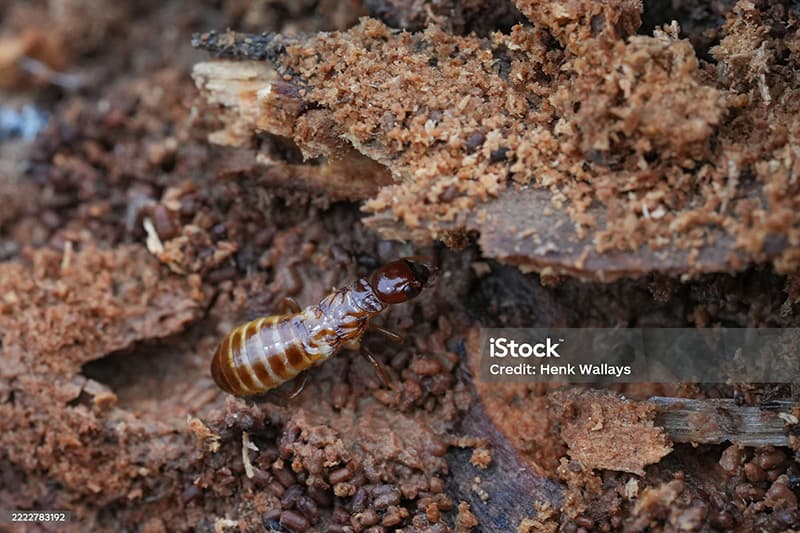
Dampwood Termites
A moisture-driven termite species that can quietly damage structural wood
Dampwood termites thrive in wet, decaying wood. While less common than other termite species, they can cause significant structural damage when moisture issues go unaddressed.
They’re often found in areas with leaks, wood rot, poor drainage, or direct soil contact.
Franz Termite Control provides expert termite inspections and targeted treatments to correctly identify and eliminate dampwood termites and the moisture conditions that attract them.
If you suspect a termite infestation, please contact us for a termite inspection by our certified and licensed professional inspectors.
What Makes Dampwood Termites Unique?
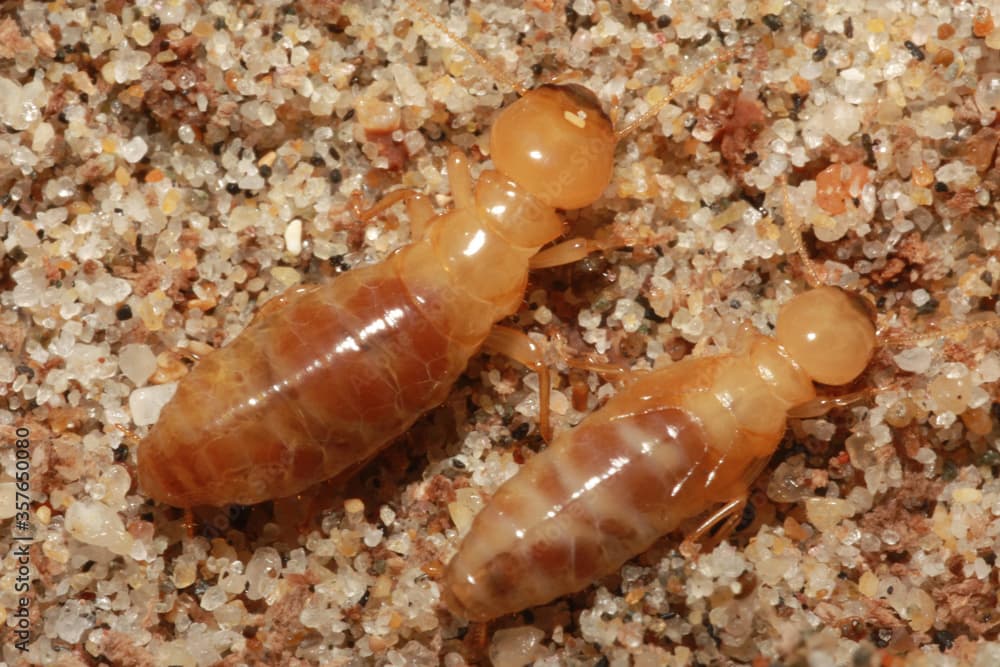
Dampwood termites are larger than both subterranean and drywood species. Unlike subterranean termites (which live in soil) and drywood termites (which live entirely in wood), dampwood termites require high moisture levels to survive.
Although they look similar to drywood termites at first glance, dampwood termites are typically larger and attracted to light, which can sometimes lead to an accumulation of swarmers (alates) around porches, entryways, or exterior light sources.
Where dampwood termites are found
- Water-damaged siding.
- Leaky decks, balconies, or exterior stairs.
- Moist crawl spaces.
- Wood that touches soil.
- Roof leaks.
- Plumbing leaks.
- Areas with long-term condensation.
Because these insects rely on damp, softened wood, their presence nearly always indicates an underlying moisture issue.
Pacific Dampwood Termites
The species most common in our region is the Pacific Dampwood Termite. These termites are significantly larger than other species – workers, soldiers, and swarmers are all noticeably bigger than their drywood or subterranean counterparts.
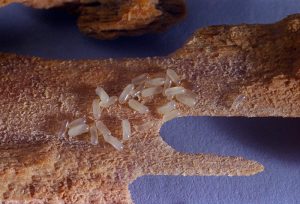
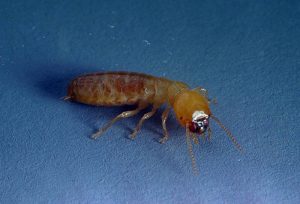
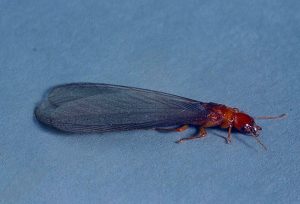
Pacific Dampwood Termites: Egg mass, worker, and an adult winged swarmer. Images courtesy of Oregon Digital, licensed under CC 4.0 International (CC BY 4.0): License.
Distinct characteristics
- Soft, cream-to-tan bodies.
- Large soldiers with big mandibles.
- Winged dampwood termites swarm on warm summer or early fall evenings. This seasonal timing is similar to drywood termites, but differs from subterranean species, which swarm after rainfall.
- Require sustained moisture to establish colonies
Unlike subterranean termites, they do not build mud tubes, and unlike drywood termites, their pellets look different and often stick to damp surfaces.
Dampwood Termite Pellets (Frass)
Dampwood termite droppings differ from drywood pellets. Drywood termites leave dry, sand-like, six-sided pellets (something that is challenging to impossible to see without a microscope). Dampwood termites leave soft, sticky, irregular pellets that clump together due to moisture in the wood.
If you’re finding mysterious pellets but aren’t sure which species caused them, our inspectors can identify the source immediately.
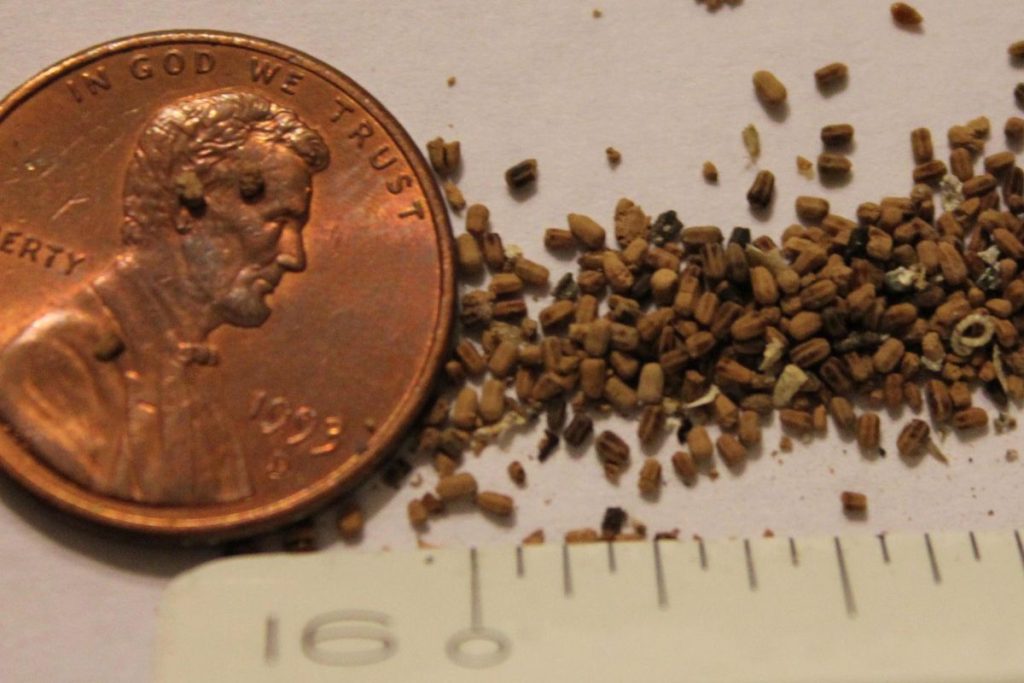
Dampwood Termites vs. Other Termites
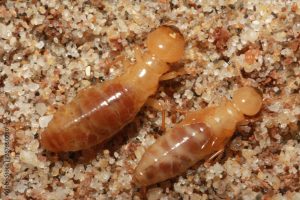
Dampwood termite workers
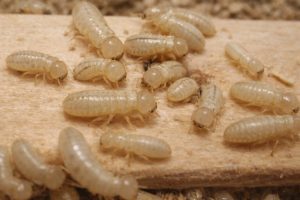
Drywood Termite Immatures (Image: University of Arizona – Entomology)
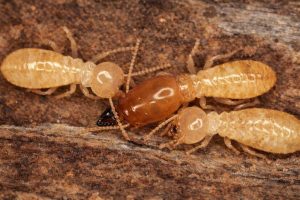
Subterranean Termite Immatures & Soldier (Image: Dr. Miller, Virginia Cooperative Extension)
Dampwood vs. Drywood Termites
- Dampwood termites require moisture. Drywood termites prefer dry, intact wood.
- Dampwood pellets stick. Drywood pellets are dry and granular.
- Dampwood colonies are usually smaller.
- Drywood termites often require termite fumigation. Dampwood termites do not.
Dampwood vs. Subterranean Termites
- Dampwood termites do not live in soil. Subterranean termites do.
- Dampwood termites do not build mud tubes.
- Subterranean colonies are larger and more destructive.
- Dampwood termites infest wood already compromised by moisture.
If you’re unsure which species is present, our licensed inspectors will determine it during your inspection.
How to Get Rid of Dampwood Termites
Because dampwood termites depend on moisture, the key to eliminating them is correcting the conditions that allow them to thrive.
Franz Termite Control’s approach includes:
1. Identifying the source of moisture
We inspect for:
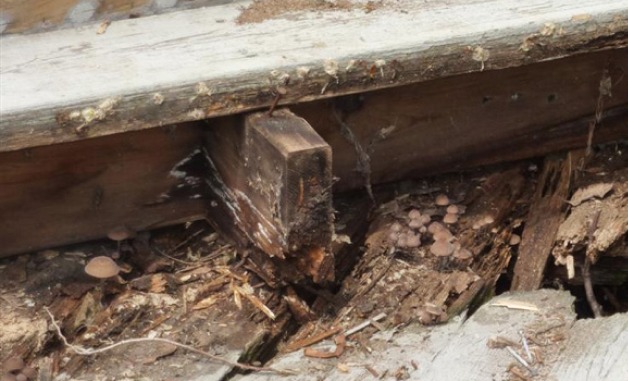
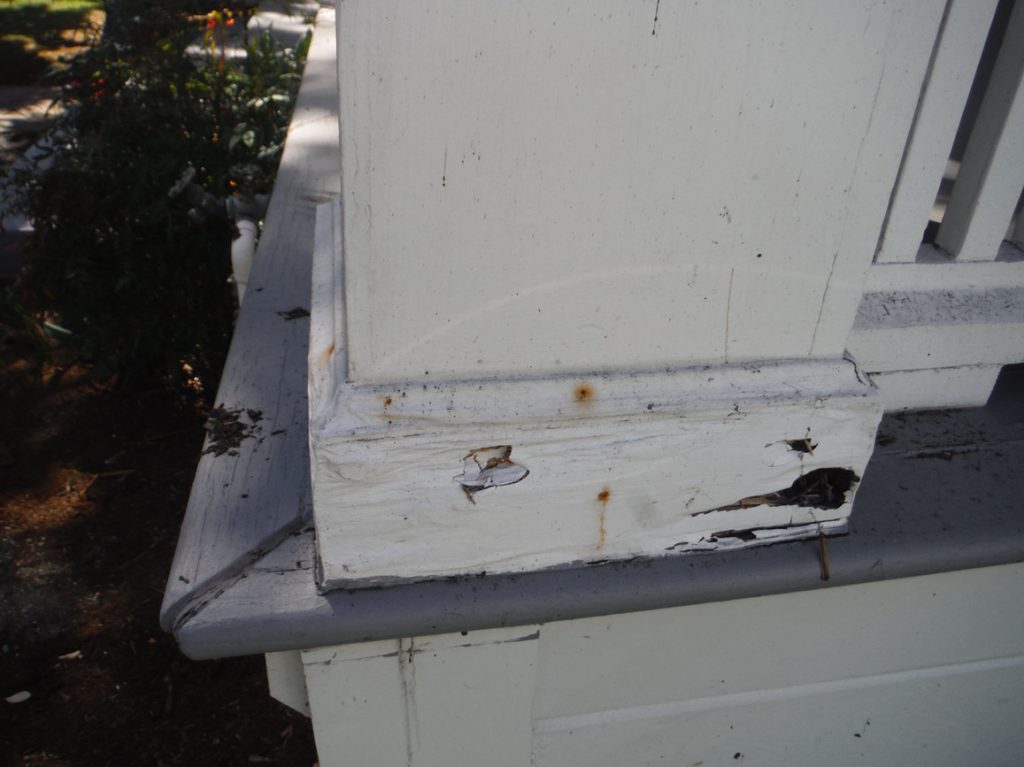
- Rot
- Leaks, plumbing failures, and drainage issues
- Ground-contact wood
- Damp crawlspaces
- Roof penetration problems
2. Treating the affected wood
Localized treatments (wood injections, surface applications) are often effective because dampwood colonies stay contained within wet wood.
3. Repairing damaged or moisture-compromised areas
We are also a licensed general contractor, and provide structural repair services to replace:
- Rotting beams
- Damaged siding
- Wet structural members
- Deck or stair components
Learn more about our termite damage repair services.
4. Preventing future infestations
By resolving moisture conditions, the conditions for dampwood termites to return are minimized.
Dampwood Termite Treatments – Bay Area, CA
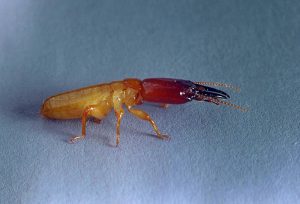
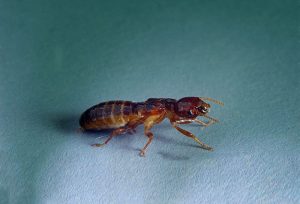
Pacific Dampwood Termite Stages & Castes. Egg mass, worker, soldier, developing reproductive nymph with wing buds, and the adult winged swarmer. Images courtesy of Oregon Digital, licensed under CC 4.0 International (CC BY 4.0): License.
While dampwood termites don’t spread as aggressively as subterranean termites, they can still cause:
- Significant structural weakening
- Expensive moisture-related deterioration
- Conditions attractive to even more destructive species
Oftentimes, the rot and moisture is more damaging than the dampwood termites themselves. Left untreated, moisture problems can eventually attract subterranean termites, which can devastate a home far more quickly.
Have you found signs of termites or haven’t had an inspection in the last 2 – 3 years?
Franz Termite Guarantee
If they come back, so do we. We stand by our work and it shows. Your home will be termite-free.

 0+0+0+
Request an Estimate, Inspection, or Just ask a Question
Don’t delay! Get in touch with us today.
If your home hasn’t been inspected in a couple years or you suspect you have termites, contact us for a consultation and inspection.
Have rot damage or a new construction project? Get in touch with our consultants to learn more about our process and options.
- (650) 493-0445
- info@franztermite.com
- 4041 Transport St. Palo Alto, CA 94303